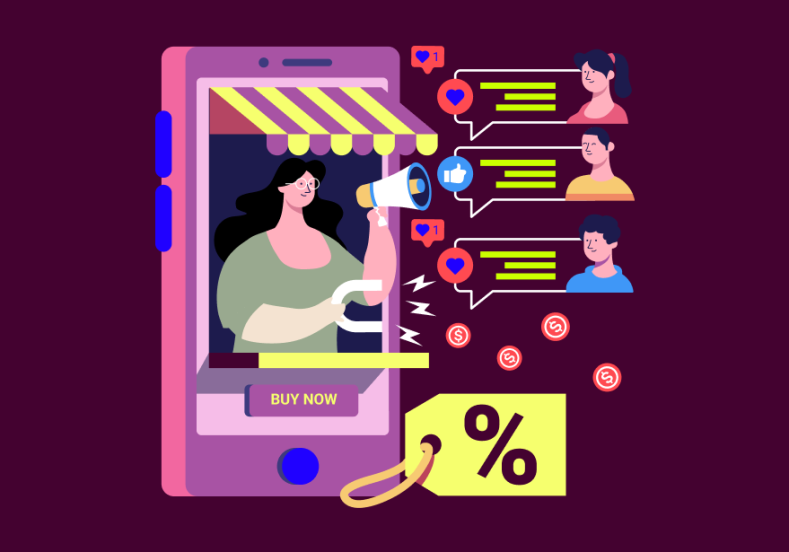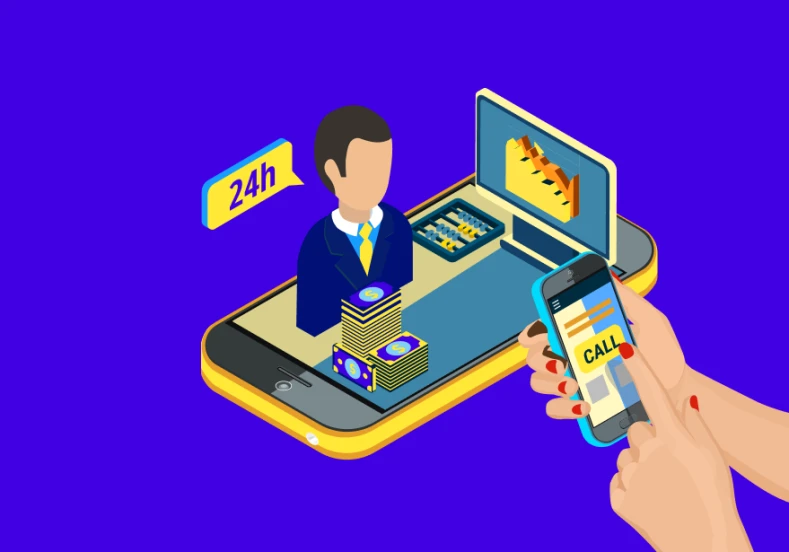
A customer visits your pricing page at 12:45 p.m.: He/she is reluctant – They’ve done their research and googled the comparisons, read reviews, and skimmed through AI-generated summaries. Now, what they least want is another generic popup asking, “How can we help?” They want relevance – now. This is where personalization either works or collapses. Today, personalization isn’t a clever tactic or a UI trick. It’s a system. And live chat, when powered by platforms like VooChat, is where that system finally becomes real, human, and timely – right inside the conversation.
From Static Profiles to Living Context
Personalization used to mean names in subject lines and segmented campaigns. That era is over. Modern customers expect businesses to understand context in motion – what they’re trying to do right now, not what they did last quarter. True personalization is the ability to adapt conversations in real time using identity, behavior, location, and emotional cues.
This is the difference between owning data and activating it. Between predicting intent and confirming it. AI may infer patterns; nevertheless, customization appears authentic only when those patterns are validated within a conversation. Live chat serves as the connecting tissue that transforms scattered signals into a coherent understanding.
From Anonymous Visitors to Known Humans
Every digital journey begins anonymously. The moment a live chat opens, that anonymity dissolves. In seconds, live chat captures context – page behavior, location, referral source, and tone – turning traffic into people. Pre-chat forms, Geo IP detection, and sentiment signals accelerate this identity resolution without friction.
This matters across industries. In SaaS, it means guiding onboarding instead of explaining basics. In fintech, it means trust-sensitive routing. In eCommerce, it means helping customers decide, not browse endlessly. The narrative is simple but powerful: AI brings traffic. Live chat turns traffic into humans. Personalization compounds from there.
Shopify’s own research shows that live chat increases engagement and conversion rates when conversations reflect real intent rather than scripted flows, reinforcing chat’s role as a personalization accelerator rather than a support add-on.
How Chatbots, Agents, Helpdesks, and Knowledge Bases Must Work Together
Personalization breaks when tools operate in isolation: a chatbot that doesn’t know what sales promised; a support agent without conversation history, and a knowledge base alienated from real customer queries.
A system-first approach views personalization as an ecosystem, including chatbots for immediate assistance, live agents for nuance, helpdesks for continuity, and knowledge bases for consistency. Each layer flows into the next. Tools alone don’t personalize but systems do. VooChat’s architecture supports this flow, ensuring conversations don’t reset every time a channel changes.
How a Live Chat Platform Like VooChat Can Master Personalization End-to-End
Personalization at scale requires structure. When treated as a system, live chat evolves from a reactive tool into an intelligent, adaptive layer across the journey.
Phase 1: Foundation – Capturing Context From the First Touch
Personalization starts before the first message is typed. Visitor tracking, page context, and Geo IP data quietly establish intent, while pre-chat forms collect just enough information to guide the conversation. The emphasis here is restraint. Consent-aware data capture avoids the “creepy” line while still enabling relevance. VooChat supports this balance by embedding context without interrupting flow.
Phase 2: Activation – Personalizing in the Moment
Once context is captured, timing becomes everything. Behavioral triggers – like lingering on checkout or revisiting pricing – activate proactive chats that feel helpful, not intrusive. Sentiment analysis introduces an emotional dimension to the conversations, enabling urgency and tone to shape responses. This is the juncture at which customization transitions from static logic to dynamic adaptability.
Phase 3: Human–AI Collaboration
AI excels at scale: routing, summarization, and response suggestions. Humans excel at judgment, trust, and clarification. The handover matters. When bots pass full context to agents, conversations don’t restart – they deepen. VooChat’s smooth bot-to-agent transitions ensure personalization survives escalation instead of collapsing.
Phase 4: Continuity Across the Journey
Customers don’t think in channels. They expect memory. Omnichannel history preserves context across live chat, email, and helpdesk interactions, eliminating repetition and frustration. Knowledge base insights feed back into conversations, keeping answers aligned everywhere personalization shows up.
Phase 5: A Learning System That Improves Over Time
The most advanced customization systems continue to learn, develop, and improve. Chat transcripts improve triggers. Support insights help product teams. Success criteria have expanded beyond CSAT to include retention, conversion, and trust indicators. Personalization stops to be a campaign and transitions into an operational rhythm.
During each phase, best practices are adopted and followed: prioritization of compliance in personalization, clarity about AI participation, and intentional avoidance of excessive personalization. When the system is upheld, trust inherently increases.
AI Can Guess. Live Chat Can Confirm
AI thrives on probability. It predicts what a customer might want. Live chat delivers certainty by asking, clarifying, and responding in context. This distinction matters most in high-stakes industries – finance, healthcare, enterprise SaaS – where trust is non-negotiable.
Live chat becomes the truth layer of the personalization system, validating AI assumptions in real time. This aligns with human-centric AI principles highlighted by Forbes, which reports that 61% of consumers expect AI-assisted experiences to feel personal, not automated.
Feature Reality Check
VooChat already supports core personalization capabilities: live agents, sentiment awareness, visitor context, and omnichannel messaging. These features form a strong execution base.
The next evolution isn’t about adding features for the sake of it. It’s about system intelligence – predictive intent scoring, AI-driven next-best-action suggestions, and deeper cross-channel learning. The strategic roadmap isn’t a UI upgrade. It’s system maturity.
Industry Use Cases Backed by Data
In eCommerce, personalized live chat recovers abandoned carts and accelerates decisions. Benchmarks show a high conversion rate, when chat is fast and context-aware.
In SaaS, contextual onboarding reduces churn by meeting users where they struggle. In fintech, compliant personalization builds trust before transactions. At the enterprise level, leaders like Amazon view AI-driven CX as a reinvention opportunity – one where conversations complete what AI starts.
The Cost of Staying Generic
When personalization is treated as a feature – experiences fragment; customers repeat themselves; trust diminishes; sales cycles extend, and churn escalates. AI may answer questions, but competitors close deals. In CX-driven markets, generic interactions aren’t neutral – they’re a liability.
Conclusion
Personalization doesn’t live in templates or dashboards. It lives in conversations. Live chat is the operational heart of that system, where context, timing, and trust converge. Platforms like VooChat don’t just enable personalization – they operationalize it. The future belongs to brands that connect tools into systems and treat personalization as something they run every day, not something they launch once.
FAQs
Response should be prompt, real-time intent should be in focus, personalized replies should be context-based, and escalate handover to human agents when empathy or clarity required on customer end.
In order to personalize customer experience a live chat tool will have to combine live context, conversation history, sentiment signals, and coherent messaging to adapt interactions to each customer’s unique situation.
The greetings should not sound automated or scripted – use friendly, context-aware greetings that reflect page intent or prior interactions.
Map touchpoints, capture intent early, personalize interactions dynamically, and maintain continuity across all channels.
Miro and Lucidchart are common, but live chat platforms like VooChat operationalize journeys in real time.